
Blooming into a New Season: Nurture a Nature-inspired Creative Process
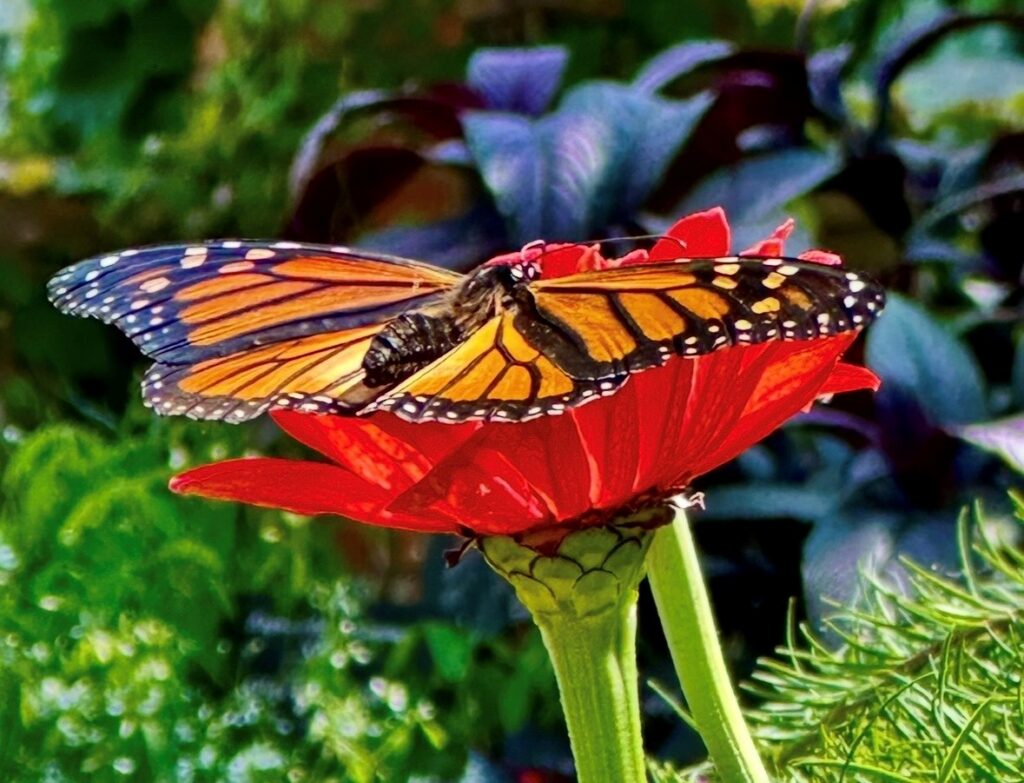
A monarch butterfly rests delicately atop a flower; its wings fully opened to the warmth of the sun. Yet the butterfly’s beauty is only part of the story. Before this still moment came movement. It was a journey from bloom to bloom, carrying pollen that quietly sustains entire ecosystems.
Nature thrives through pollination. Ideas do too.
In marketing communications and public relations, creativity rarely develops in isolation. Even though “there’s nothing new under the sun,” fresh messaging emerges through observation, collaboration, curiosity, and the exchange of perspectives in current times. Like pollinators moving through a garden, communicators gather insights from conversations, lived experiences, research, storytelling, and culture, transferring inspiration that allows new ideas to take root and flourish.
But even the most vibrant brands and organizations can become creatively depleted when messaging remains trapped in repetitive cycles. Campaigns may still function, but the voice behind them can begin to feel dry, transactional, or disconnected from their purpose.
That is when it may be time to bloom into a new season.
A nature-inspired creative process encourages communicators to step outside the constant pressure of production and reconnect with reflection, imagination, and intentional storytelling.
Nature offers one of the most effective creative mentors available because it reminds us to observe before reacting. The strongest communicators are often careful listeners and patient observers. They understand when to pause, when to evolve, and when to allow a message to unfold organically.
Science increasingly supports what many creatives intuitively understand: nature restores the mind and nurtures innovation. Research connected to Attention Restoration Theory (ART) shows that natural environments help replenish cognitive attention that becomes fatigued by constant digital stimulation and task-switching. It confirms exposure to natural environments can improve focus, restore mental energy, and support creative thinking.
Researchers describe nature’s ability to create “soft fascination:” A state where the mind gently engages without becoming overwhelmed. Unlike notifications, deadlines, and endless scrolling, nature invites attention without demanding it. That restorative mental state allows new associations and ideas to emerge more naturally.
Perhaps that is why summer often feels creatively freeing.
For many people, the season still carries memories of childhood wonder: bicycles on the driveway ready for a morning ride, afternoons outside thinking up games, and lightning bugs flickering at dusk. Creativity felt less forced then because it existed closer to nature.
As adults, communicators often lose touch with nature. The pace of modern work – especially in urban areas – encourages constant output instead of observation. Yet some of the strongest messaging develops when communicators intentionally create room to notice what others overlook.
A nature-inspired creative process asks communicators to slow down enough to identify the emotional ecosystem surrounding a message.
- What concerns are audiences carrying?
- What stories remain unheard?
- What tone feels authentic rather than performative?
Organizations grounded in values tend to answer these questions more effectively because they communicate from a place of purpose rather than pressure.
Nature also teaches the importance of cycles. The Summer Solstice (June 21) is a time for illumination, abundance, and transition. It offers an opportunity for brands and organizations to reflect on where their messaging has gained momentum and where it may need restoration. Similarly, the Full Strawberry Moon (June 29) evokes themes of harvest and reflection, encouraging communicators to consider what their efforts are truly cultivating.
- Are your messages producing understanding?
- Are they fostering inclusion?
- Are they creating connection?
Or are they simply reactive and haphazard? Intentional communication should feel less like clatter and more like cultivation, growing ideas with integrity. Accuracy, inclusion, and ethical storytelling are essential to building trust and strengthening human connection through sharing knowledge between communities, experts, patients, families, and other ancillary audiences.
During awareness observances like Men’s Health Month and Alzheimer’s & Brain Awareness Month, effective healthcare communications require human touchpoints. Audiences respond to messaging that feels compassionate and clear rather insincere.
That same principle applies to Father’s Day storytelling. “Dad-wisdom” narratives resonate most deeply when they feel grounded and sincere. Audiences connect with stories that reflect lived experiences, mentorship, resilience, and quiet acts of care: lessons passed down during fishing trips, summer walks, backyard conversations, or moments of encouragement. The most memorable campaigns involve emotional truth.
Nature cannot be rushed. It never forces transformation. It nurtures it. Writing outdoors, walking beneath trees, listening to birds chirping, and observing changing landscapes can sharpen perspective. Nature slows the mind enough to notice nuance. Pollination happens gradually and gardens bloom in season. Transformation unfolds by being patient with change, coming out of the comfort zone, and reviving into action. These moments of mental quiet are where stronger storytelling begins to bloom as communicators reconnect with imagery, sensory language, and emotional resonance. The result is a nature-inspired creative process that translates into stronger messaging.
The monarch butterfly resting on the red flower is not simply pausing. It is participating in something larger, carrying possibility forward.
Perhaps communicators should do the same.
Connect with Karyn Odway on LinkedIn to share your thoughts.
